7-Day Sleep Meditation Course: Build a Bedtime Routine
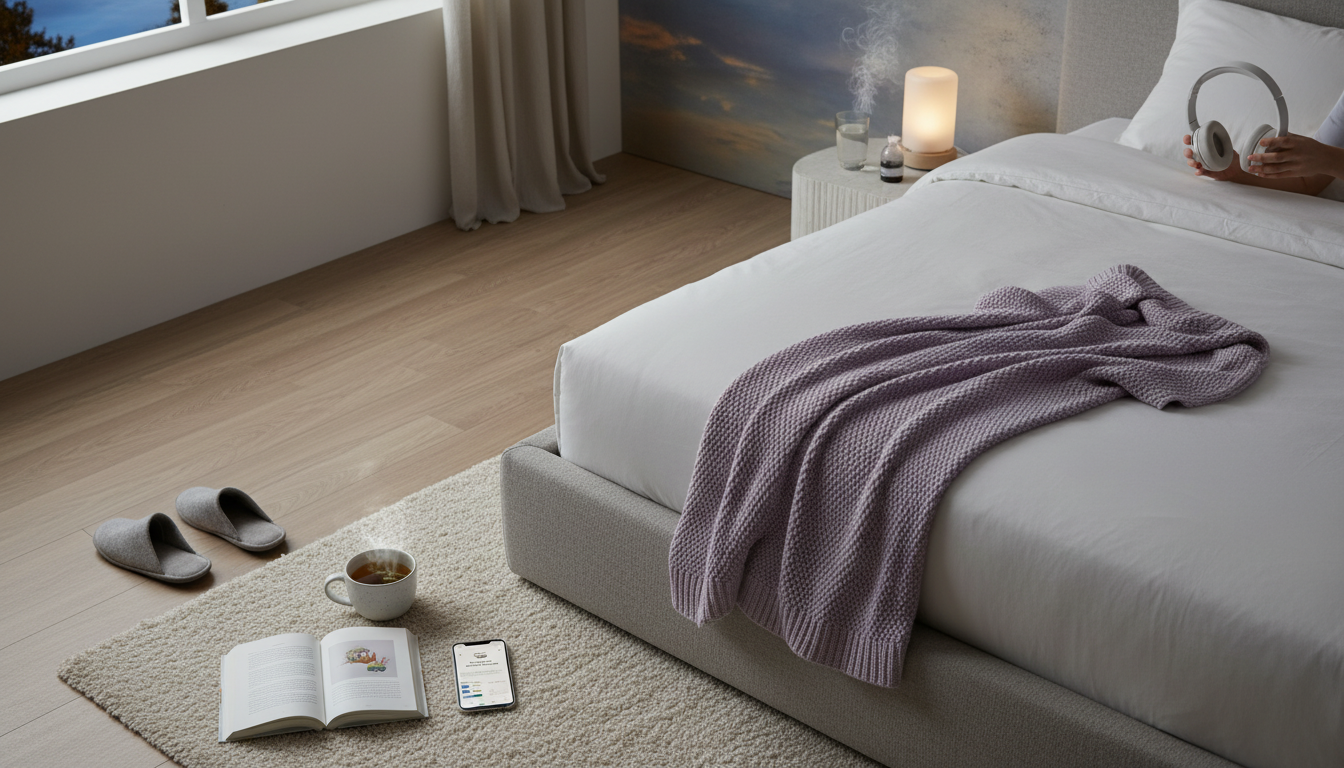
How do I use a 7-day sleep meditation course to build a consistent bedtime routine?
A 7-day sleep meditation course works best when it becomes the “anchor” of a repeatable nightly flow. Instead of treating each session as a one-off, use it to set the same cues (time, lighting, and last-screen moment) that tell your body it’s time to wind down.
Pick one bedtime and protect it for all seven days
Choose a realistic lights-out time and keep it consistent, even on the weekend. Set a phone reminder 30–45 minutes earlier as your “start routine” signal so you’re not rushing into the meditation half-awake or overstimulated.
Build a simple pre-meditation sequence (10–20 minutes)
Consistency beats complexity. Try the same order nightly: dim the lights, change into sleep clothes, brush teeth, sip water, and set the room (cooler temperature, comfortable bedding). If you tend to scroll, place your phone on Do Not Disturb before you begin so the course feels like a boundary, not background noise.
Do the meditation at the same point in the routine
Use the course as the final step before sleep, or the second-to-last step if you like a short period of quiet afterward. Keep the setup identical: same pillow position, same volume level, and the same posture (lying down or reclined). These repeated cues train your brain to associate the start of the audio with sleep.
Use each day to refine one small habit
As the week progresses, adjust just one variable at a time: earlier caffeine cutoff, shorter naps, warmer shower timing, or reducing overhead lighting. The goal is to exit the seven days with a routine you can repeat, not a perfect night every night.
Have a “reset plan” for restless nights
If you can’t fall asleep, replay the day’s session or switch to a shorter track from the course without turning on bright lights. Keep the response calm and predictable so wake-ups don’t become a new habit.
For a deeper step-by-step approach, visit the main guide on using a 7-day sleep meditation course to build a bedtime routine.
FAQ
What should I do if I miss a day of my sleep meditation course?
Resume the next night without doubling up. If you want continuity, repeat the last completed day’s session and continue from there, keeping your routine time the same.












Leave a comment