5 Dating Relationship Red Flags You Shouldn’t Ignore
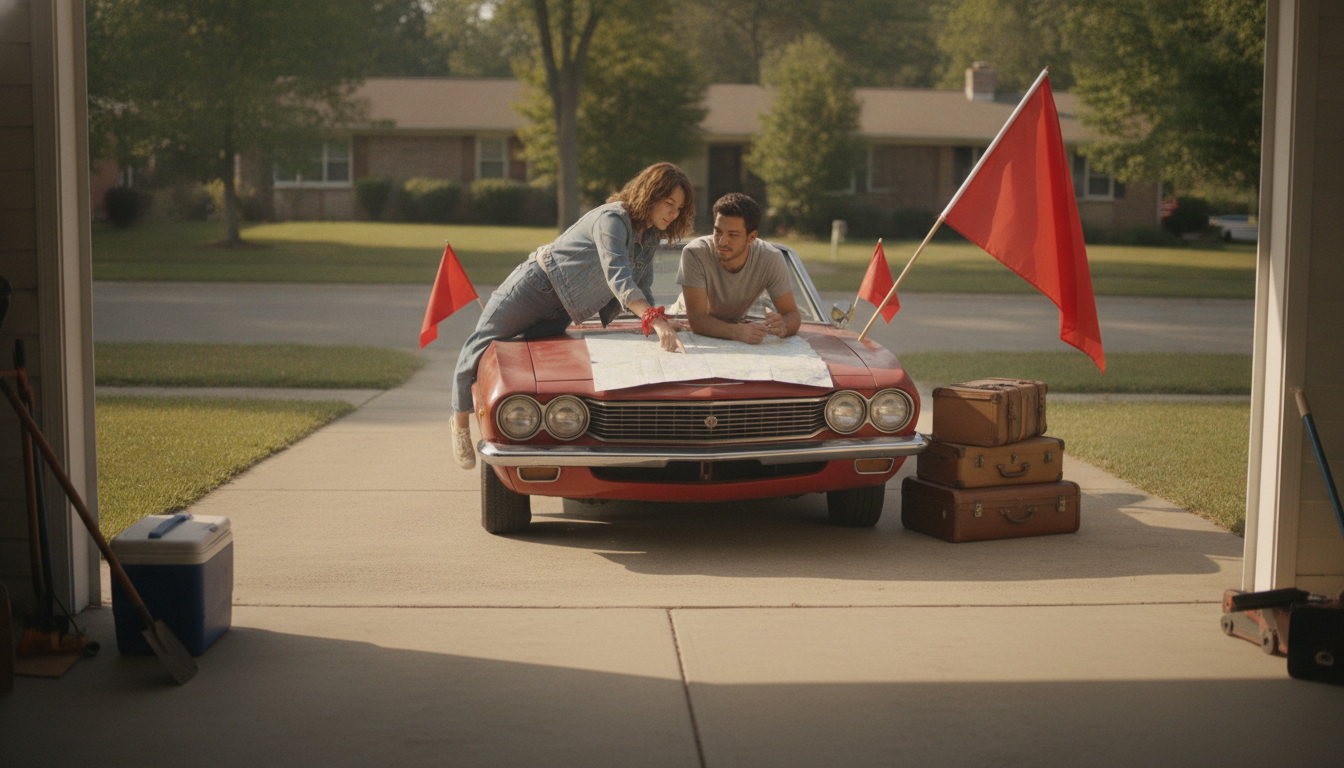
What are 5 red flags in a dating relationship?
Red flags are patterns that signal a relationship may be unsafe, unhealthy, or headed toward chronic stress. Spotting them early helps protect your time, emotional wellbeing, and boundaries. Here are five common red flags to take seriously.
1) Controlling behavior disguised as “caring”
If someone pressures you to share passwords, checks your phone, questions what you wear, or expects constant updates, that’s control—not concern. Healthy partners respect autonomy and don’t treat independence as a threat.
2) Disrespect and put-downs
Jokes that sting, eye-rolling, name-calling, or dismissing your feelings can erode confidence over time. Even “small” insults matter, especially when they happen repeatedly or in public.
3) Love-bombing followed by withdrawal
Intense early attention—grand promises, constant messaging, rushing commitment—can feel flattering. A red flag appears when the warmth turns into coldness, guilt-trips, or punishment if you don’t match their pace.
4) Dishonesty and shifting stories
Frequent lies, half-truths, secretive behavior, or inconsistent explanations weaken trust. When you find yourself “fact-checking” your partner, the relationship becomes exhausting instead of secure.
5) Isolation from friends and family
Watch for attempts to pull you away from your support system: criticizing your loved ones, creating conflicts before plans, or making you feel guilty for seeing others. Isolation increases dependence and makes it harder to notice unhealthy patterns.
If any of these show up, slow down and pay attention to how you feel—tense, confused, walking on eggshells, or constantly apologizing can be important signals. For a deeper breakdown and additional examples, visit the main guide on dating relationship flags.
For 5 Dating Relationship Red Flags You Shouldn’t Ignore, the best answer depends on fit, material, care instructions, and how the product will be used day to day.
FAQ
How do you bring up a red flag without starting a fight?
Use a calm moment, describe the specific behavior, and explain its impact on you. Ask for a clear change, and watch whether your partner responds with accountability or defensiveness and blame.











Leave a comment